The Problem Isn’t That Clowning Is Dying It’s That Too Many Clowns Forgot What Matters
Somewhere along the way, too many people started believing clowning was about the makeup.
It isn’t.
Makeup is decoration. Props are tools. Costumes are signals. The real work begins when you stand in front of another human being and try to make them feel something.
That’s the part people forget.
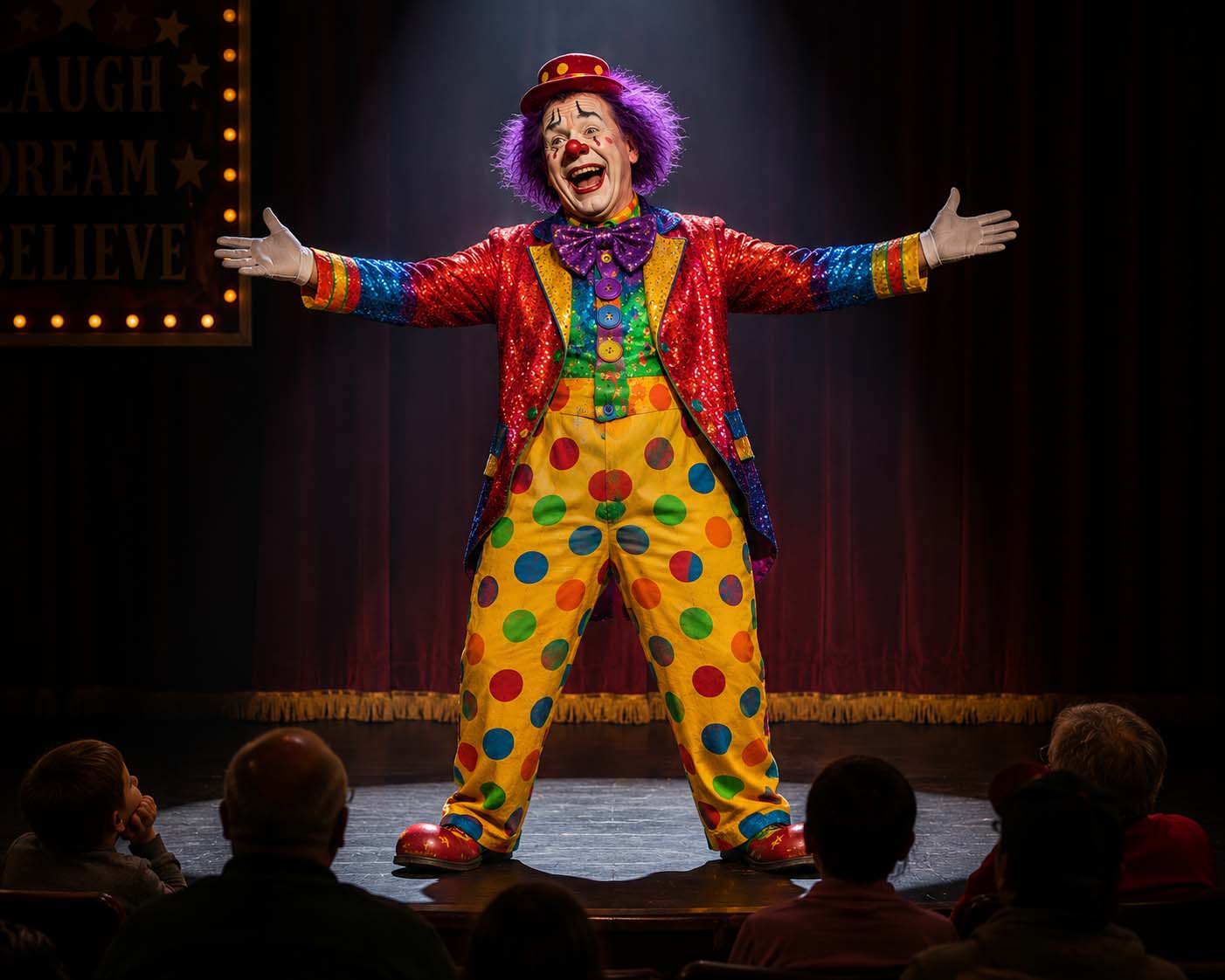
I’ve seen performers with beautiful costumes, expensive props, custom wigs, and flawless makeup completely lose an audience because there was nothing underneath it all. No connection. No awareness. No honesty. Just noise.
And I’ve seen clowns with wrinkled costumes, simple makeup, and almost no equipment completely light up a crowd because they understood people.
That difference matters.
A lot of modern conversations about clowning focus on survival. How do we recruit? How do we modernize? How do we stay relevant? How do we get younger performers interested again?
Those are fair questions.
But I think we avoid a harder one:
Have we accidentally taught people that clowning is mostly appearance instead of connection?
Because audiences don’t remember every joke.
They remember how you made them feel.
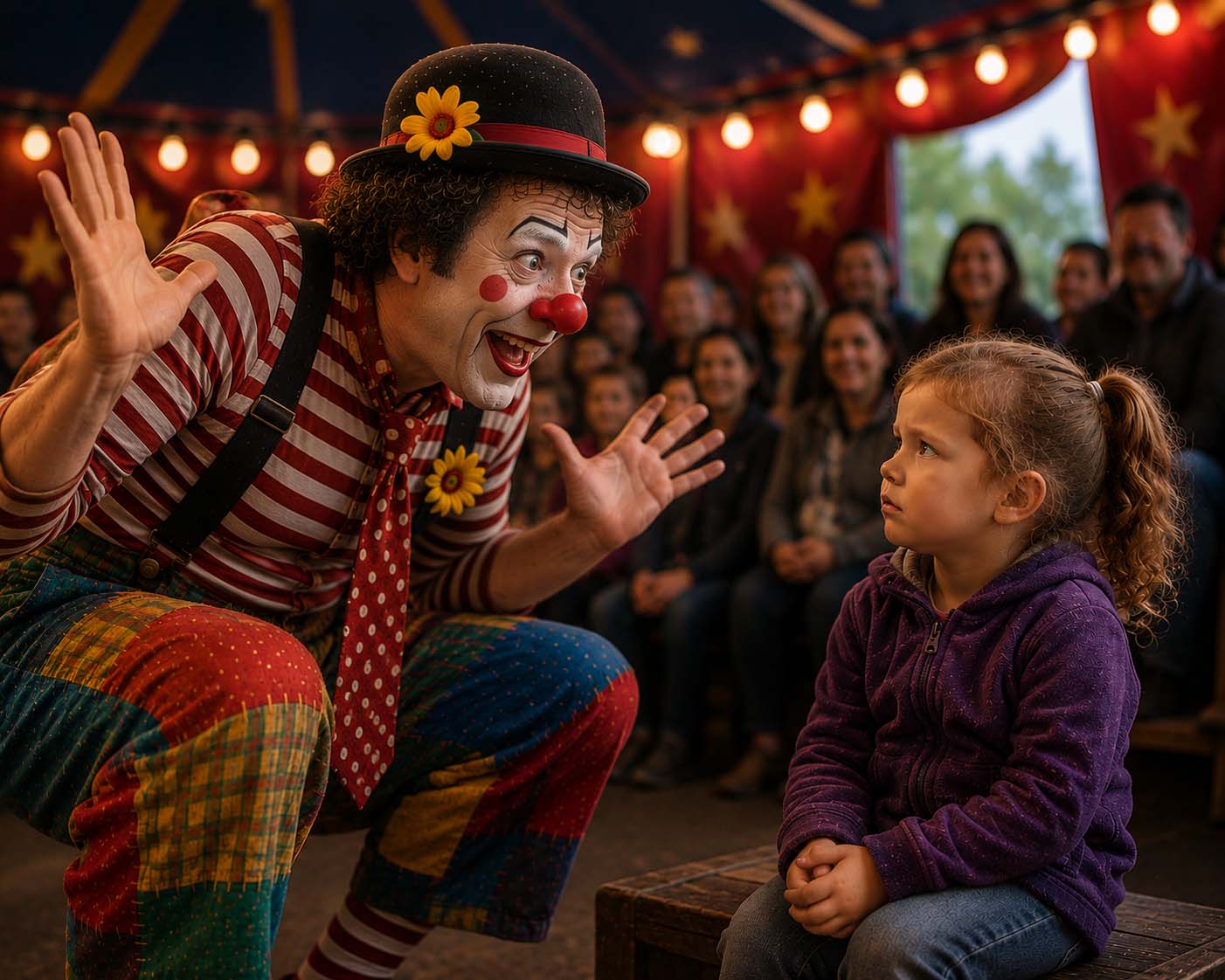
They remember the clown who knelt down to talk to a nervous child instead of towering over them. They remember the clown who made grandma laugh when she looked exhausted at a parade. They remember the performer who treated people like they mattered instead of treating the performance like a spotlight competition.
That is clowning.
Not just the gags.
Not just the makeup.
Not just the applause.
Connection.
Somewhere along the line, parts of clown culture became too focused on surface-level things. Bigger props. Louder costumes. More competition. More ego. More attention on who gets recognized instead of who actually reaches people.
And audiences can feel that immediately.
You cannot fake sincerity in clowning.
You can fake confidence for a little while.
You can fake energy.
You can fake enthusiasm.
But you cannot fake heart.
An audience always knows when a clown is performing at them instead of with them.
That’s why some performers can hold attention with almost nothing. No giant production. No elaborate setup. Sometimes just a look, a pause, or a simple interaction becomes the biggest laugh of the day.
Because the audience feels included.
The best clowns understand that the audience is not an obstacle between them and applause. The audience is the entire reason the performance exists.
That philosophy changes everything.
It changes how you build a character.
It changes how you approach makeup.
It changes how you interact with children.
It changes how you handle mistakes.
It changes how you treat other performers.
A good clown understands that the job is not to look funny.
The job is to create permission.
Permission for people to laugh.
Permission for people to be silly.
Permission for people to relax.
Permission for people to feel joy for a moment without embarrassment.
That takes vulnerability. More than most people realize.
The irony is that clowning has never actually been about pretending to be perfect. Historically, the clown has almost always been the most human person in the room. The one who fails publicly. The one who struggles openly. The one who keeps trying anyway.
That’s why audiences connect with clowns when it’s done well.
And maybe that’s why bad clowning feels so uncomfortable. Because when there’s no honesty underneath the character, the audience senses the emptiness immediately.
I don’t believe clowning is dying.
I think people are still desperately searching for authentic joy, authentic interaction, and authentic laughter. In many ways, they probably need it more now than they ever have.
But I do think parts of clowning have drifted away from the emotional core that made the art form matter in the first place.
The future of clowning probably won’t be saved by bigger shoes, louder jackets, or more social media clips.
It will be saved by performers who remember what the art was always supposed to be about:
Connection.
The clowns who last are usually not the ones trying hardest to become famous.
They’re the ones who make people feel seen.
Smokie
Category: Uncategorized
-
Don’t forget the why
-
The audience knows when your faking it!
One of the hardest lessons for performers to accept is this:
Audiences are far smarter than we give them credit for.
Children especially.
Kids may not understand performance theory, timing, stagecraft, or character development — but they understand sincerity almost instantly. They know when a clown is nervous. They know when a performer is uncomfortable. They know when someone is trying too hard to be funny.
And they definitely know when a clown cares more about attention than interaction.
A lot of new performers think clowning is about getting laughs as quickly as possible. So they rush. They become loud. Every movement gets bigger. Every gag becomes exaggerated. Every interaction turns into an attempt to “win” the audience.
Ironically, that usually creates distance instead of connection.
The strongest clowns are often the ones least afraid of slowing down.
They listen.
They react.
They let moments breathe.
Good clowning is not machine-gun comedy.
It’s relationship building in real time.
That’s why some of the best clown moments happen completely by accident. A dropped prop. A confused glance. A tiny interaction with someone in the crowd. A simple reaction that wasn’t rehearsed at all.
Those moments feel real because they are real.
Audiences are constantly searching for authenticity, even if they don’t consciously realize it. In a world filled with filters, algorithms, staged reactions, and manufactured personalities, people are starving for genuine human interaction.
That includes entertainment.
Especially entertainment.
The mistake some performers make is treating clowning like armor. The costume becomes protection. The makeup becomes a mask to hide behind. The character becomes a shield against vulnerability.
But the clowns people remember are usually the opposite.
They let the audience see failure.
Confusion.
Excitement.
Hope.
Embarrassment.
Joy.
The clown becomes relatable instead of untouchable.
That’s where the magic lives.
Not in perfection.
Perfection is forgettable.
A flawless performance may impress people, but honest moments stay with them.
I’ve watched audiences forgive mistakes instantly when they trusted the performer. I’ve also watched technically skilled performers lose a crowd because everything felt forced and calculated.
You can rehearse technique.
You cannot rehearse authenticity.
That doesn’t mean preparation isn’t important. It absolutely is. Good clowning takes practice, discipline, timing, awareness, and professionalism. But technique should support connection — not replace it.
Some performers spend years perfecting props before learning how to simply stand comfortably in front of another human being.
That’s backwards.
The audience is not asking whether your routine is technically advanced enough. Most people are asking something much simpler without ever saying it out loud:
“Can I trust you enough to laugh with you?”
And once that trust exists, almost everything changes.
The room softens.
People lean in.
Children engage.
Adults let their guard down.
That’s the point where clowning stops being “performance” and starts becoming experience.
And audiences always know the difference.
Smokie -
The real reason some clowns burn out
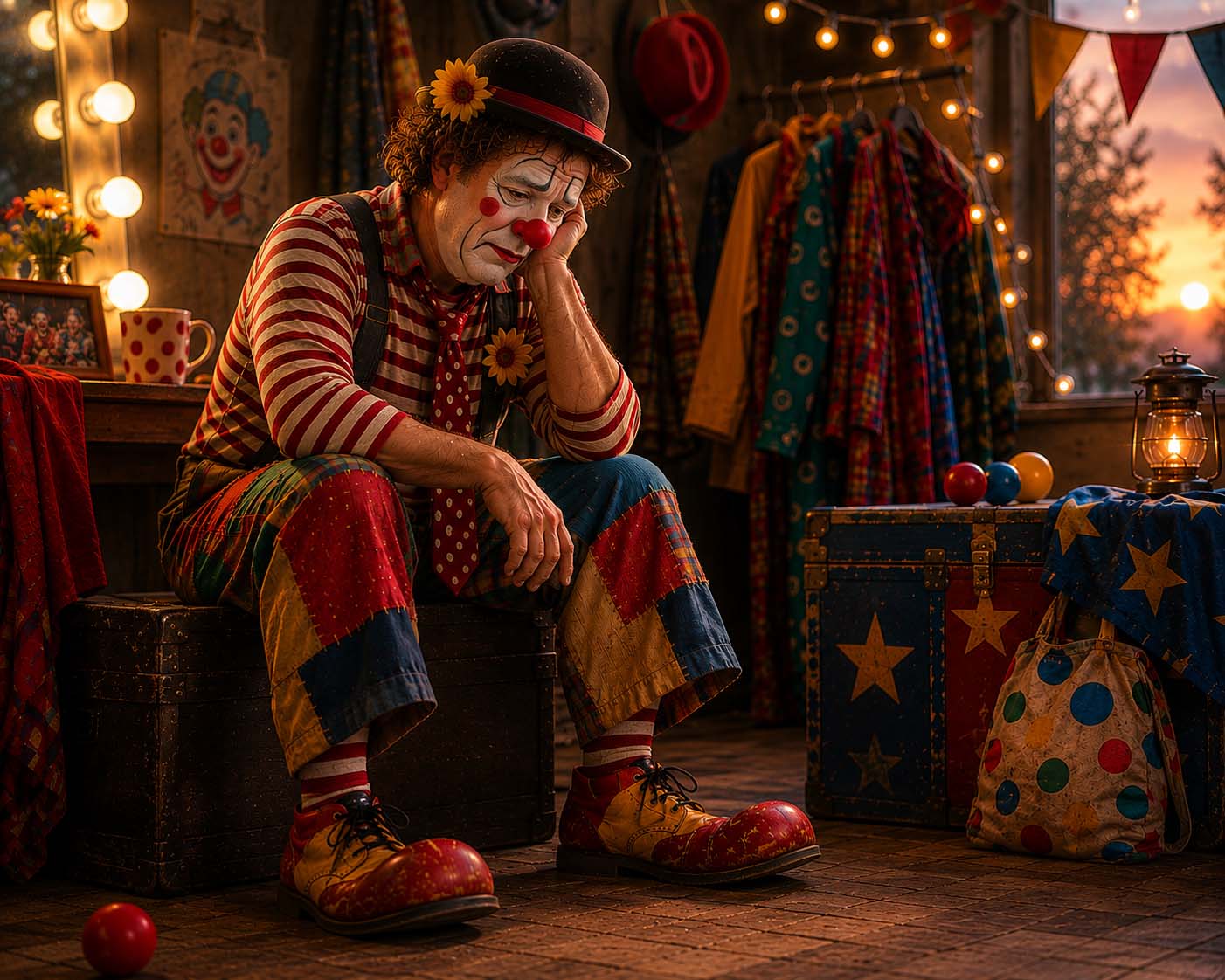
Nobody talks enough about burnout in clowning.
Maybe because people assume clowns are supposed to be endlessly cheerful. Maybe because performers feel guilty admitting exhaustion in an art form built around joy.
But burnout is real.
And it usually doesn’t happen because someone performed too much.
It happens because they slowly stopped feeling connected to why they started.
At first, clowning feels electric.
You discover the reactions.
The laughter.
The energy.
The freedom.
The strange magic of making complete strangers smile.
Then, somewhere along the line, things can shift.
The pressure starts creeping in.
Who’s getting booked?
Who’s getting recognized?
Who wins competitions?
Who gets applause?
Who gets invited back?
Who gets attention online?
Without realizing it, some performers slowly stop chasing connection and start chasing validation.
That’s where burnout begins.
Because validation is impossible to satisfy for long.
There will always be another performer.
Another costume.
Another convention.
Another routine.
Another person getting attention.
And if your sense of worth depends entirely on external recognition, clowning eventually becomes emotionally exhausting instead of life-giving.
The irony is that many burned-out clowns are incredibly talented.
But somewhere along the way they stopped allowing themselves to simply enjoy people.
Everything became pressure.
Pressure to impress.
Pressure to stay relevant.
Pressure to prove themselves.
Pressure to matter.
And eventually the joy gets squeezed out.
I think some performers also quietly carry another burden:
They feel like they must always be “on.”
Always funny.
Always energetic.
Always entertaining.
But real clowning has never been about pretending to be superhuman.
In fact, the clown has historically been the most openly flawed person in the room.
That’s what audiences connect with.
The clown struggles.
The clown fails.
The clown gets back up.
The clown keeps trying anyway.
That honesty is not weakness.
It’s the entire heartbeat of the art form.
One of the healthiest things a performer can do is reconnect with smaller moments again.
A quiet interaction at a parade.
A nervous child finally smiling.
A simple walkaround gag that unexpectedly works.
A conversation with another clown after an event.
A memory made backstage.
Those moments matter more than most trophies ever will.
And mentorship matters too.
Burnout grows fastest in isolation.
Some performers stop surrounding themselves with people who challenge them, encourage them, or remind them why the art matters in the first place. Instead, they become trapped in comparison and politics.
That slowly poisons creativity.
The healthiest clown communities are not built entirely around competition.
They’re built around growth.
Learning together.
Failing together.
Sharing ideas.
Helping new performers.
Passing knowledge forward.
That kind of environment keeps the art alive because it keeps people emotionally connected to it.
I don’t think the answer to burnout is simply “work less.”
I think the answer is remembering why the work mattered to begin with.
Because the truth is, clowning at its best does something rare.
It gives people permission to feel human again.
And sometimes performers need that reminder just as much as the audience does.
Smokie -
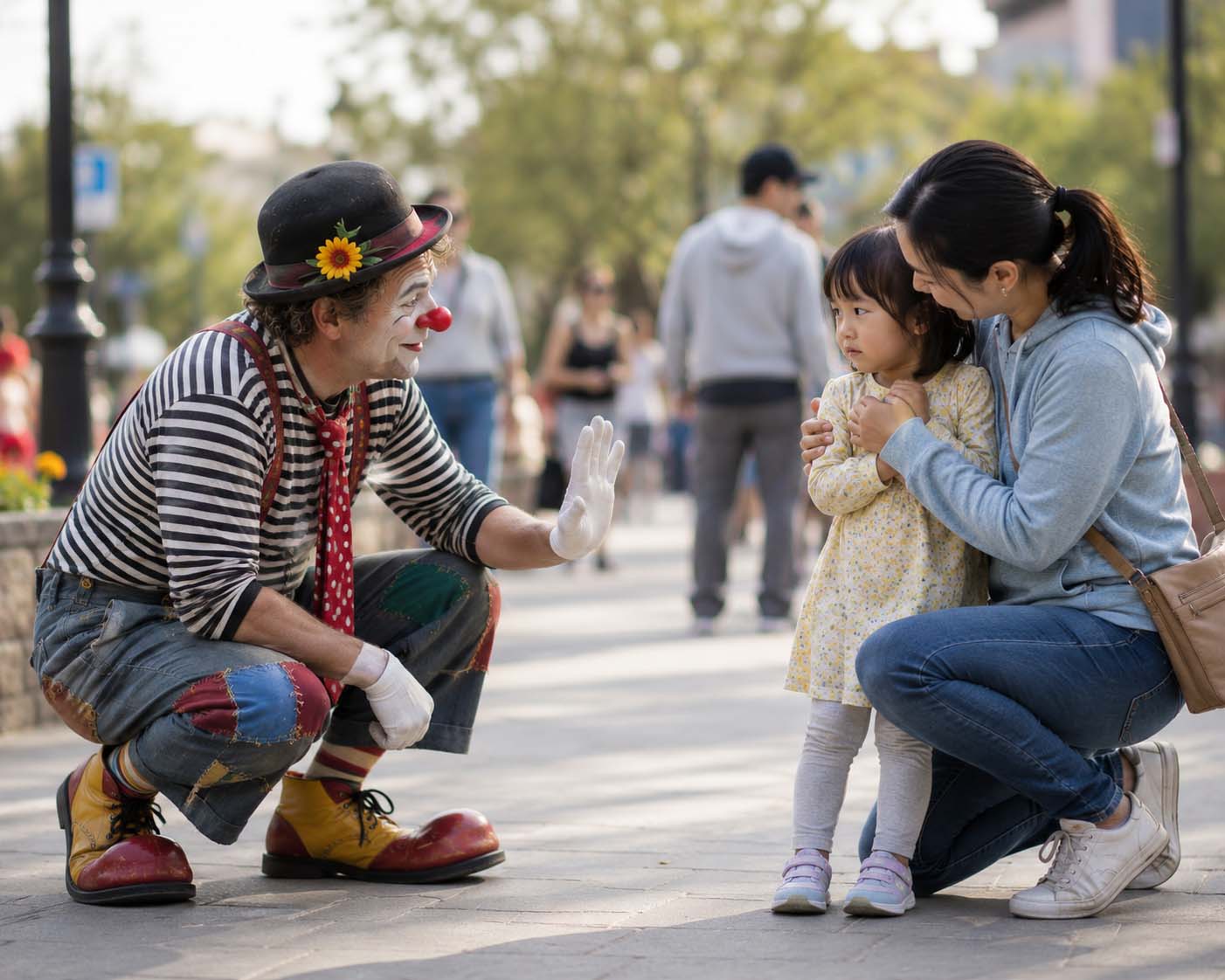
A good clown understands that not everyone needs a clown
One of the first things a performer learns is how to approach people.
One of the last things a good clown learns is when not to.
That lesson matters more than most people realize.
A lot of inexperienced performers assume success means getting reactions from everyone. Every child should laugh. Every adult should engage. Every interaction should become a moment.
But real audiences don’t work that way.
Some people love clowns immediately.
Some people need distance.
Some people are overwhelmed.
Some people are grieving.
Some people are anxious in crowds.
Some children are curious but cautious.
Some adults carry memories or fears you know nothing about.
A good clown learns to respect that.
The audience is not a collection of targets.
They’re human beings.
And human beings deserve emotional awareness.
One of the biggest mistakes performers make is confusing persistence with professionalism. They push harder when someone pulls away. They increase volume when subtlety would work better. They try to “win over” people who are clearly uncomfortable.
That usually has the opposite effect.
Good clowns invite.
Bad clowns impose.
That distinction changes everything.
The strongest performers understand that consent exists in entertainment too. Not formal consent in the legal sense emotional consent. The audience tells you constantly, through body language, eye contact, posture, movement, and energy, whether they want interaction.
And children are especially honest about it.
Some kids want to sprint directly into the moment.
Others need to observe safely from a distance first.
Both reactions are okay.
A thoughtful clown understands that creating safety is more important than forcing participation.
Ironically, when audiences feel emotionally safe, they usually become far more willing to engage naturally.
That’s why awareness matters so deeply in clowning. The performance is not just about jokes or tricks. It’s about reading human behavior respectfully in real time.
The best clowns are not emotional bulldozers.
They’re emotional listeners.
And listening changes how you move through a crowd.
Sometimes the greatest thing a clown can do is simply wave gently and keep walking.
Sometimes it’s kneeling down quietly to a child’s level.
Sometimes it’s backing away gracefully.
Sometimes it’s allowing people to come to you instead of chasing reactions.
That patience creates trust.
And trust creates better moments than forced comedy ever will.
I think this is one of the reasons truly great clowns are often remembered so fondly years later. People may not remember every gag or costume detail, but they remember how the performer made them feel emotionally.
Safe.
Seen.
Included.
Respected.
That kind of interaction stays with people.
The truth is, not everyone needs a clown at every moment.
But the people who do?
They deserve one who understands the difference.
Smokie -
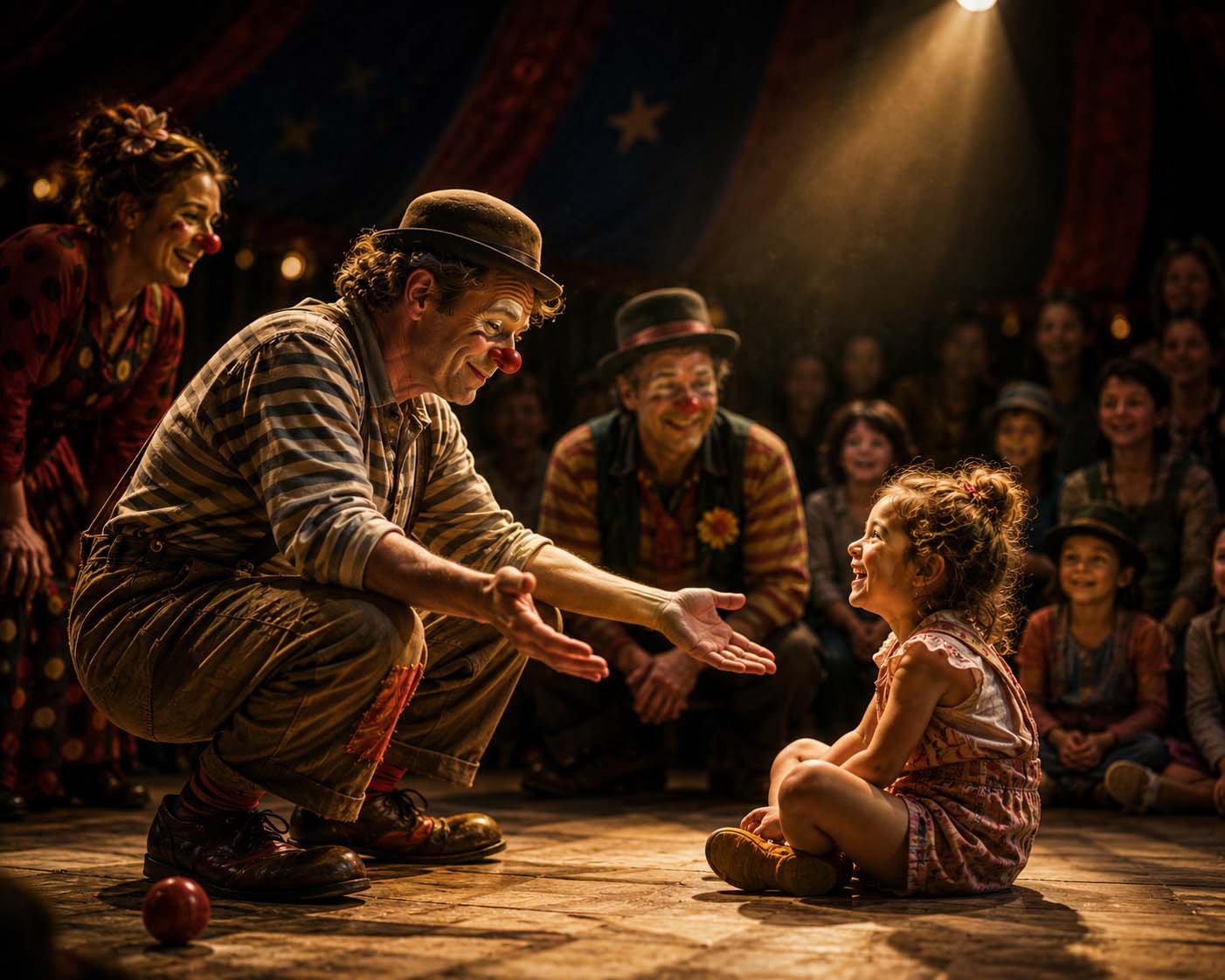
The best clowns don’t try to be the funniest person in the room
A lot of performers enter clowning thinking the goal is to become hilarious.
That makes sense on the surface. Clowns make people laugh. Comedy matters. Timing matters. Humor matters.
But the best clowns I’ve ever watched were rarely obsessed with being the funniest person in the room.
They were focused on being the most connected.
That’s different.
There’s a version of performance built entirely around attention. Bigger reactions. Bigger noise. Bigger moments. Some performers treat every interaction like a competition they need to win.
But clowning has never worked best as domination.
It works best as invitation.
The strongest clowns understand that laughter is not something you force out of people. It’s something you build together.
That requires generosity.
And generosity is surprisingly rare in entertainment.
Some performers are so focused on appearing clever that they forget to leave space for others. The audience becomes passive instead of involved. Fellow performers become obstacles instead of partners.
But great clowns make everyone around them better.
They elevate scenes instead of stealing them.
They share focus naturally.
They react honestly.
They support weaker performers instead of exposing them.
They understand rhythm instead of constant escalation.
That kind of performer becomes magnetic.
Ironically, those are often the people audiences remember longest.
Not because they demanded attention but because they created experience.
One of the hardest lessons for performers to learn is that silence can sometimes be stronger than noise!
A small reaction can outperform a giant one.
A pause can outperform shouting.
A glance can outperform a speech.
The audience doesn’t just watch what a clown does.
They watch what the clown notices.
That’s where character lives.
The best clowns are deeply aware of the emotional atmosphere around them. They understand pacing. They understand buildup. They understand restraint.
Restraint is important because audiences get exhausted by performers who are constantly trying to peak every moment emotionally.
Good clowning breathes.
It rises and falls naturally.
That rhythm creates authenticity because real people are not operating at maximum volume every second of the day.
And maybe that’s why audiences connect more deeply with performers who feel emotionally honest instead of mechanically funny.
The clown becomes recognizable.
Human.
Flawed.
Trying.
That matters.
I think younger performers sometimes underestimate how much humility exists inside truly great clowning. The strongest performers are often incredibly generous backstage. They mentor freely. They encourage others. They stay curious. They continue learning long after they could have comfortably stopped.
Because deep down, they understand something important:
Clowning is not about proving you’re the most important person in the room.
It’s about helping the room feel more alive after you entered it.
Smokie -

Why clowning means more than laughter to some of us
Most people see a clown and think about laughter first.
Big shoes.
Funny faces.
Chaos.
Comedy.
Color and noise and silliness.
And honestly, that’s exactly what they should think about.
Because at its heart, clowning is about joy.
But for some performers, it also becomes something deeper.
Not because we take it too seriously.
Actually, it’s the opposite.
Clowning reminds us not to take life so seriously all the time.
As a firefighter, I’ve had the privilege of helping people on some of the hardest days of their lives. That kind of work changes your perspective. You begin to understand how valuable small moments really are.
A calm voice.
A smile.
A laugh.
A simple act of kindness.
You start realizing that human connection matters far more than most people think.
And strangely enough, clowning creates those moments constantly.
At a parade.
At a hospital visit.
At a county fair.
At a community event.
At a birthday party.
You see people soften.
A shy child suddenly opens up.
A tired parent laughs harder than their kid.
An older couple becomes playful again for thirty seconds.
Strangers who would normally walk past each other suddenly interact like old friends.
For a few moments, walls come down.
That’s powerful.
I think that’s one of the reasons clowning continues to survive no matter how much the world changes. People still crave genuine interaction. In a world that feels increasingly rushed, filtered, digital, and disconnected, sincere moments of joy stand out more than ever.
Especially when they feel real.
Audiences can tell when a clown genuinely enjoys people.
That energy spreads.
It lowers walls.
It reminds adults they do not always have to be serious.
It reminds kids that imagination still matters.
It gives people permission to relax and reconnect with the lighter parts of themselves they forgot were still there.
And maybe that is the hidden value of clowning outsiders do not always see.
A good clown does not just perform jokes.
A good clown creates atmosphere.
They create moments where families laugh together instead of scrolling separately.
Moments where nervous kids feel safe.
Moments where people forget stress for thirty seconds and simply enjoy being alive together.
Those tiny moments are not tiny at all.
They are human connection.
Research on joy, laughter, and positive social interaction continues to show that shared laughter and meaningful connection genuinely improve emotional well-being and reduce stress. But honestly, most performers do not need research to tell them that.
You can feel it happen in real time.
And the beautiful thing is that this connection works both ways.
The audience leaves happier.
But many times, the performer does too.
I think that is why so many entertainers stay passionate about performing for decades. The applause is nice, but that is usually not what keeps people coming back.
It is the moments.
The unexpected conversations.
The hugs.
The smiles from across a parade route.
The child who waves one more time before leaving.
The reminder that kindness, warmth, and joy still exist in the world.
Because after you spend enough time seeing how heavy life can become for people, you stop taking joy for granted.
You appreciate sincerity more.
You notice small reactions more.
You understand that creating even one positive memory for someone might matter far beyond the few seconds it took to happen.
That changes how you approach performance.
The clown stops becoming just a costume.
It becomes a bridge.
A bridge between strangers.
A bridge between generations.
A bridge between stress and relief.
A bridge between adulthood and the child people still carry somewhere underneath it all.
And honestly, I think the world needs more of that.
Not less.
Because at its best, clowning is not really about acting foolish.
It is about reminding people that joy still exists.
And sometimes, that reminder matters more than we realize.
Smokie -
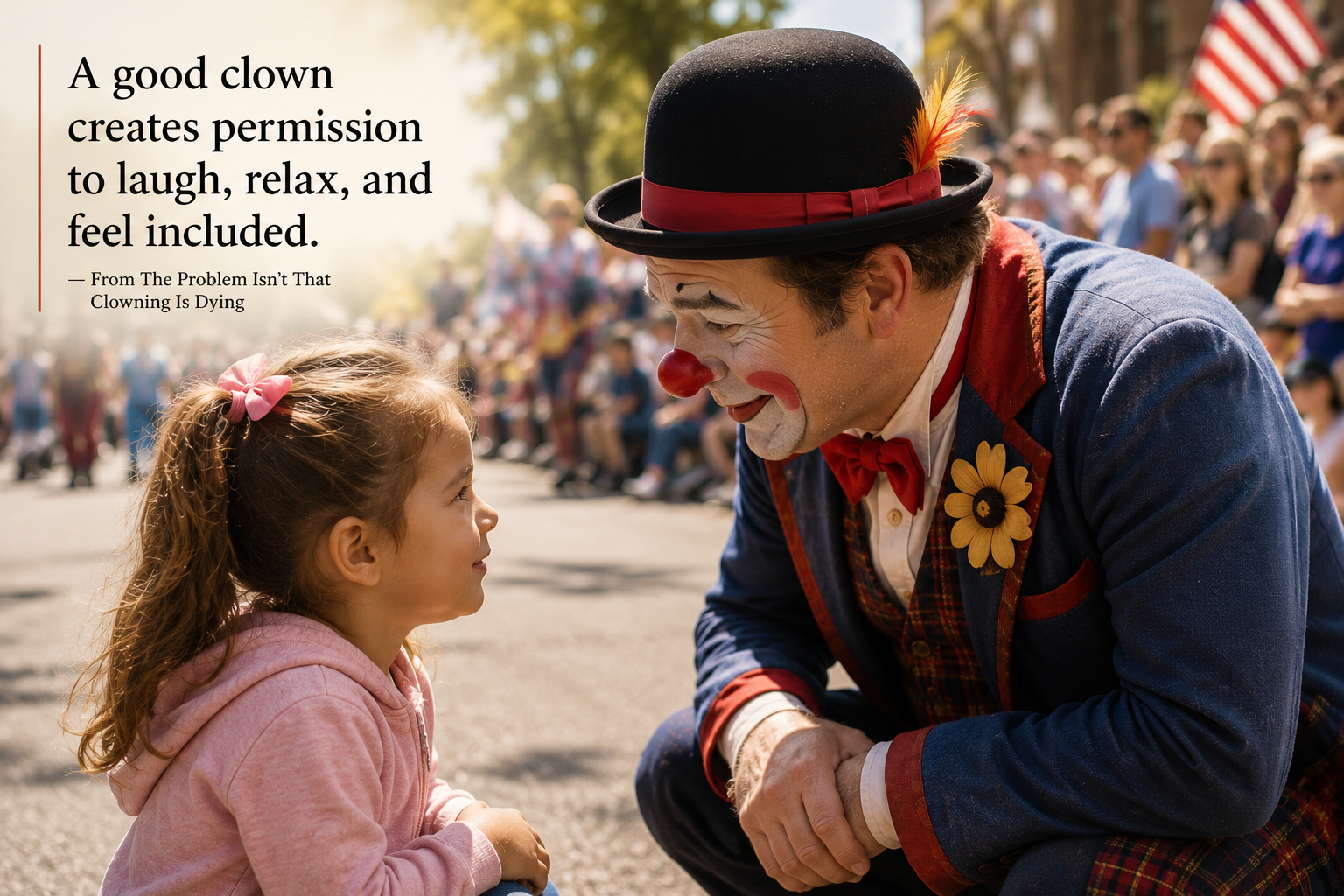
The most important skill in clowning has nothing to do with makeup
Ask people outside clowning what skills matter most and you’ll usually hear the same answers:
Makeup.
Juggling.
Balloon twisting.
Magic.
Comedy.
Costumes.
Those things matter.
But none of them are the most important skill.
The most important skill in clowning is awareness.
Awareness changes everything.
It tells you when a child is nervous instead of excited.
It tells you when a crowd is engaged or exhausted.
It tells you when to approach and when to back away.
It tells you when a gag needs to end.
It tells you when silence is more powerful than noise.
Without awareness, even talented performers become overwhelming.
One of the biggest mistakes inexperienced clowns make is assuming every person wants interaction at the same level. They approach every audience member with identical energy. Same volume. Same distance. Same pacing.
But good clowns read people first.
Some children immediately run toward a clown.
Others need space.
Some adults want to participate.
Others prefer observation.
Some crowds want chaos.
Others respond better to gentleness.
A skilled clown adjusts constantly.
That flexibility is far more valuable than memorizing fifty balloon animals or owning expensive props.
The audience should never feel trapped by a clown.
They should feel invited.
That distinction matters enormously.
I’ve watched technically talented performers accidentally create discomfort simply because they never learned how to read a room. And I’ve watched very simple performers completely win over audiences because they paid attention to emotional pacing.
Awareness also protects dignity.
A clown should never become so focused on getting laughs that they embarrass people unnecessarily. Humor built entirely on humiliation usually creates short-term reactions and long-term discomfort.
The strongest clown interactions leave people feeling included, not targeted.
That requires emotional intelligence.
And emotional intelligence is harder to teach than makeup design.
Awareness also helps performers recover from mistakes. Every clown fails. Props break. Jokes die. Timing disappears. Kids say unpredictable things. Outdoor performances become chaotic.
A rigid performer panics.
An aware performer adapts.
Sometimes the recovery becomes funnier than the original routine.
That’s one of the hidden truths of clowning:
control is overrated.
Connection matters more.
The audience does not need perfection from a clown. In many ways, they expect imperfection. What they respond to is honesty, flexibility, and presence.
A clown who is fully present in the moment will almost always outperform a clown trapped inside a rehearsed script.
Because people remember interactions far more than routines.
That’s why awareness is not just another skill in clowning.
It’s the foundation underneath all the others.
Smokie -
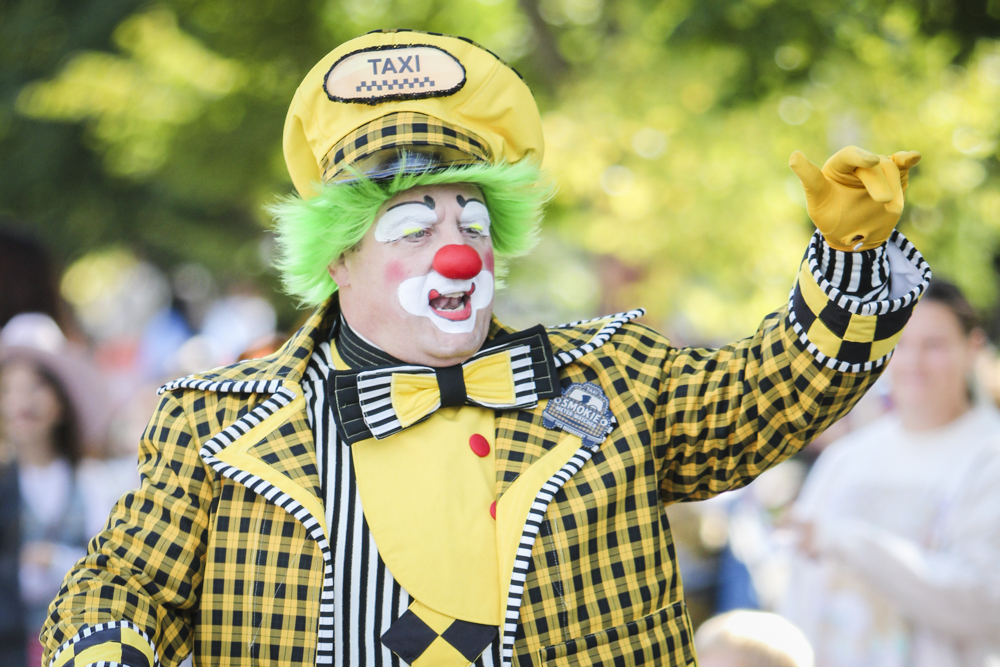
Why good clowns never stop learning
One of the most dangerous things a performer can believe is:
“I’ve got it figured out.”
The moment a clown stops learning, the character usually starts becoming predictable. The performance stiffens. The reactions become automatic. The curiosity disappears.
Audiences may not know exactly what changed, but they feel it.
Good clowning requires humility because the art itself constantly exposes weakness. A prop fails. A joke falls flat. A child reacts unexpectedly. A crowd shifts energy. Outdoor conditions change. Timing disappears. Someone interrupts the bit. A parade route turns chaotic.
Clowning is living theater.
And living theater punishes ego quickly.
The best clowns I’ve ever watched all had one thing in common:
They stayed curious.
Not just about clowning itself, but about people.
They watched reactions carefully.
They adjusted constantly.
They experimented.
They failed openly.
They stole inspiration from everyday life.
Some of the greatest character work doesn’t come from clown schools or competitions at all. It comes from observing human behavior.
Watch a frustrated dad trying to carry six things into a hotel.
Watch a child trying to hide excitement.
Watch someone pretending they know how to use equipment they clearly don’t understand.
Watch people trying to avoid embarrassment in public.
That’s where real clown behavior lives.
The strongest performers become students of humanity.
Unfortunately, some performers become students only of clowning itself. They study makeup styles, costume trends, props, and routines while ignoring the actual emotional behavior underneath all of it.
That creates imitation instead of character.
And audiences can feel the difference.
A real character feels alive because the performer understands motivation, reactions, insecurity, confidence, fear, excitement, and failure. They understand people first and clowning second.
The irony is that beginners are often more teachable than experienced performers.
New clowns expect to learn.
Veteran performers sometimes become protective of habits they developed years earlier. Suggestions feel personal. Feedback feels threatening. Growth slows down because identity becomes attached to “already knowing.”
But clowning evolves.
Audiences evolve.
Culture evolves.
Performance spaces evolve.
A performer who refuses to evolve eventually starts performing for their own nostalgia instead of the people standing in front of them.
That doesn’t mean abandoning tradition. Tradition matters deeply in clowning. History matters. Mentorship matters. Foundations matter.
But tradition should be a root system not a cage.
The strongest clowns keep refining everything:
Their timing.
Their character.
Their makeup.
Their movement.
Their interactions.
Their listening skills.
Their understanding of audiences.
Even after decades.
Especially after decades.
Because the truth is, nobody ever fully masters clowning.
The art form is too human for that.
And honestly, that’s probably what keeps it beautiful.
~Smokie